
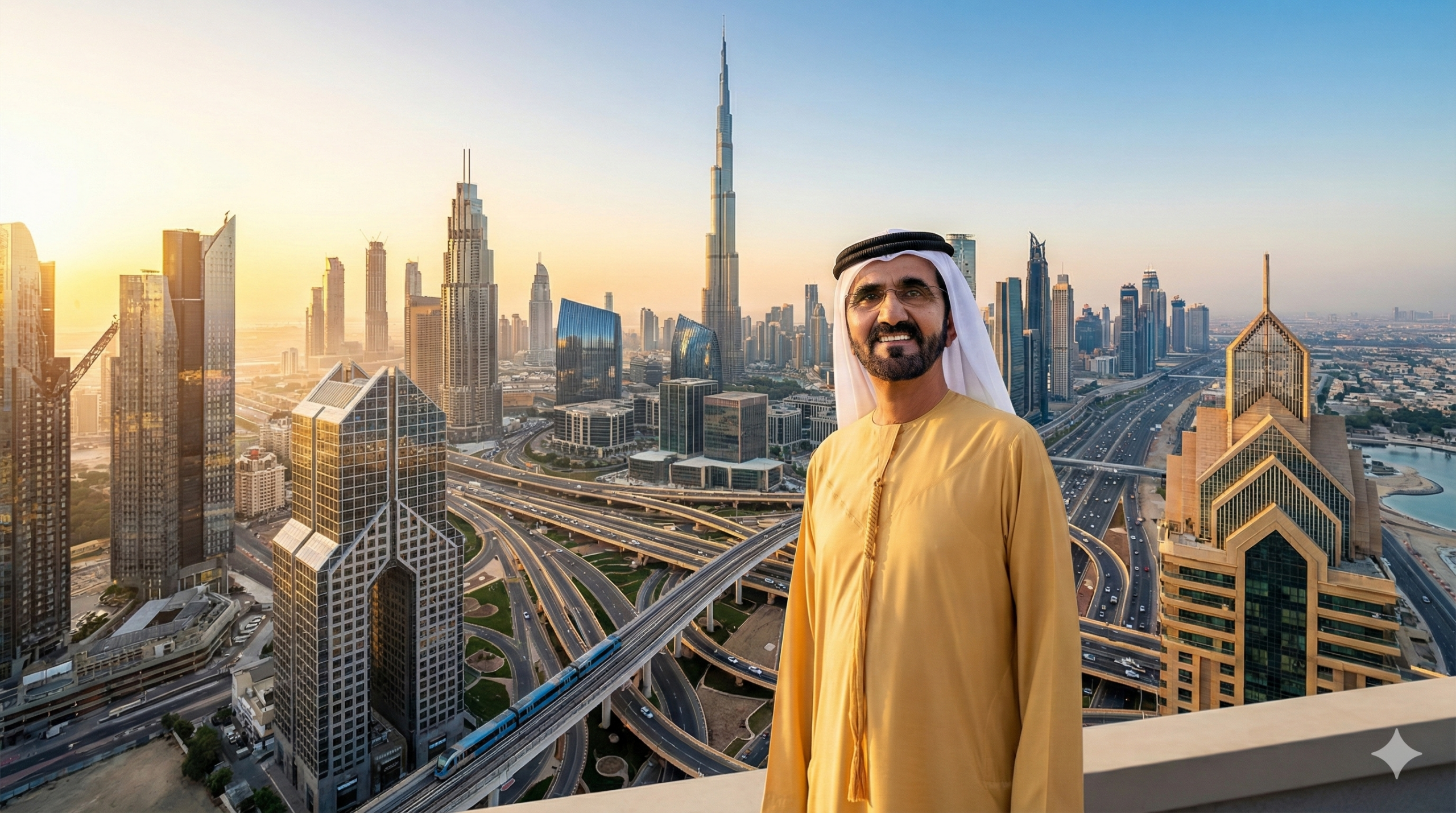
Dubai’s AED 302B Budget: Impact on Real Estate Market
Dubai’s AED 302 Billion Budget: What It Means for Real Estate Investors and Homebuyers
Dubai has announced a historic AED 302 billion government budget, marking the largest budget allocation in the emirate’s history. The announcement reinforces Dubai’s long-term vision for economic growth, infrastructure development, and population expansion — and sends a strong signal to real estate investors and end-users alike.
For the property market, this budget is more than just a financial plan. It acts as a roadmap for sustained demand, capital appreciation, and investor confidence over the coming years.
A Budget Built for Long-Term Growth
Dubai’s new budget focuses heavily on infrastructure, urban development, transportation, digital transformation, and social services. These areas directly support real estate performance by improving livability, connectivity, and economic stability.
Key allocations include:
-
Major investment in transportation and road networks
-
Expansion of urban communities and residential zones
-
Continued funding for smart city initiatives
-
Increased spending on education, healthcare, and public services
Together, these elements create the foundation for population growth — a critical driver of housing demand in Dubai.
Population Growth Drives Property Demand
Dubai’s population has been growing steadily, driven by global talent, entrepreneurs, investors, and high-net-worth individuals relocating to the city. Government spending on infrastructure and quality-of-life initiatives further strengthens Dubai’s position as a long-term destination.
As population growth continues, demand increases across:
-
Apartments in central and emerging districts
-
Villas and townhouses in family-oriented communities
-
Rental properties in well-connected locations
This demand supports both price appreciation and rental yield stability, especially in areas benefiting from new infrastructure and government-backed development.
Infrastructure Spending Boosts Capital Appreciation
Historically, areas near new roads, metro lines, business hubs, and public facilities have seen stronger price growth. Dubai’s budget places significant emphasis on improving mobility and accessibility, which directly impacts property values.
When infrastructure improves:
-
Commute times decrease
-
Neighborhood desirability increases
-
Commercial activity expands
-
Property prices follow upward trends
For investors, this means opportunities not only in established areas, but also in growth corridors positioned to benefit from upcoming projects.
Strong Signal for Investor Confidence
Dubai’s commitment to long-term spending reassures global investors that the city is planning for sustainable expansion rather than short-term cycles. This stability is particularly important in an environment where many global markets face uncertainty.
Dubai continues to stand out due to:
-
No property tax
-
No capital gains tax
-
No inheritance tax
-
Transparent ownership regulations
-
Investor-friendly policies
Combined with government-backed spending, these factors strengthen Dubai’s appeal as a safe and profitable real estate market.
Impact on Residential and Investment Segments
The AED 302 billion budget supports growth across multiple property segments.
For End-Users
-
Improved infrastructure enhances daily living
-
Better schools, healthcare, and public spaces
-
Long-term value preservation for homeowners
For Investors
-
Rising rental demand from population growth
-
Potential for capital appreciation in key zones
-
Stable regulatory environment
This balance ensures that Dubai’s market remains attractive to both lifestyle buyers and income-focused investors.
What This Means for the Coming Years
Dubai’s record-breaking budget aligns with its broader economic vision, positioning the city for continued expansion well beyond the short term. For the real estate sector, this translates into sustained momentum rather than speculative growth.
As infrastructure projects roll out and communities mature, properties located in well-planned districts are expected to benefit the most. Investors who align their strategies with government development plans are better positioned to capture long-term returns.
Final Thoughts
Dubai’s AED 302 billion budget is not just a financial milestone — it’s a clear statement of intent. The emirate is investing heavily in the foundations that support real estate growth: infrastructure, livability, and economic resilience.
For buyers, homeowners, and investors, the message is clear: Dubai continues to build for the future, and real estate remains a central pillar of that vision.