Dubai Real Estate Regulations 2026: What Investors and Property Owners Should Know
Dubai’s New Real Estate Regulations for 2026: What Property Owners and Investors Need to Know
Dubai’s real estate market has entered a new phase of maturity, and with it comes a series of regulatory updates aimed at strengthening transparency, protecting stakeholders, and supporting sustainable long-term growth. As the emirate looks ahead to 2026, these new regulations are expected to have a meaningful impact on property owners, investors, developers, and brokers alike.
According to insights published by Provident Estate, the upcoming regulatory framework reflects Dubai’s broader strategy to position itself as one of the world’s most stable and investor-friendly property markets.
A More Structured and Transparent Property Market
Over the past decade, Dubai has consistently refined its real estate laws to align with international best practices. The regulations expected to take effect by 2026 continue this trajectory, with a strong focus on transparency, compliance, and investor confidence.
Key regulatory enhancements are designed to ensure that property transactions, ownership structures, and development processes are more clearly defined and better protected under law. This is particularly important as Dubai attracts a growing number of international investors seeking long-term security rather than short-term speculation.
Stronger Oversight of Developers and Projects
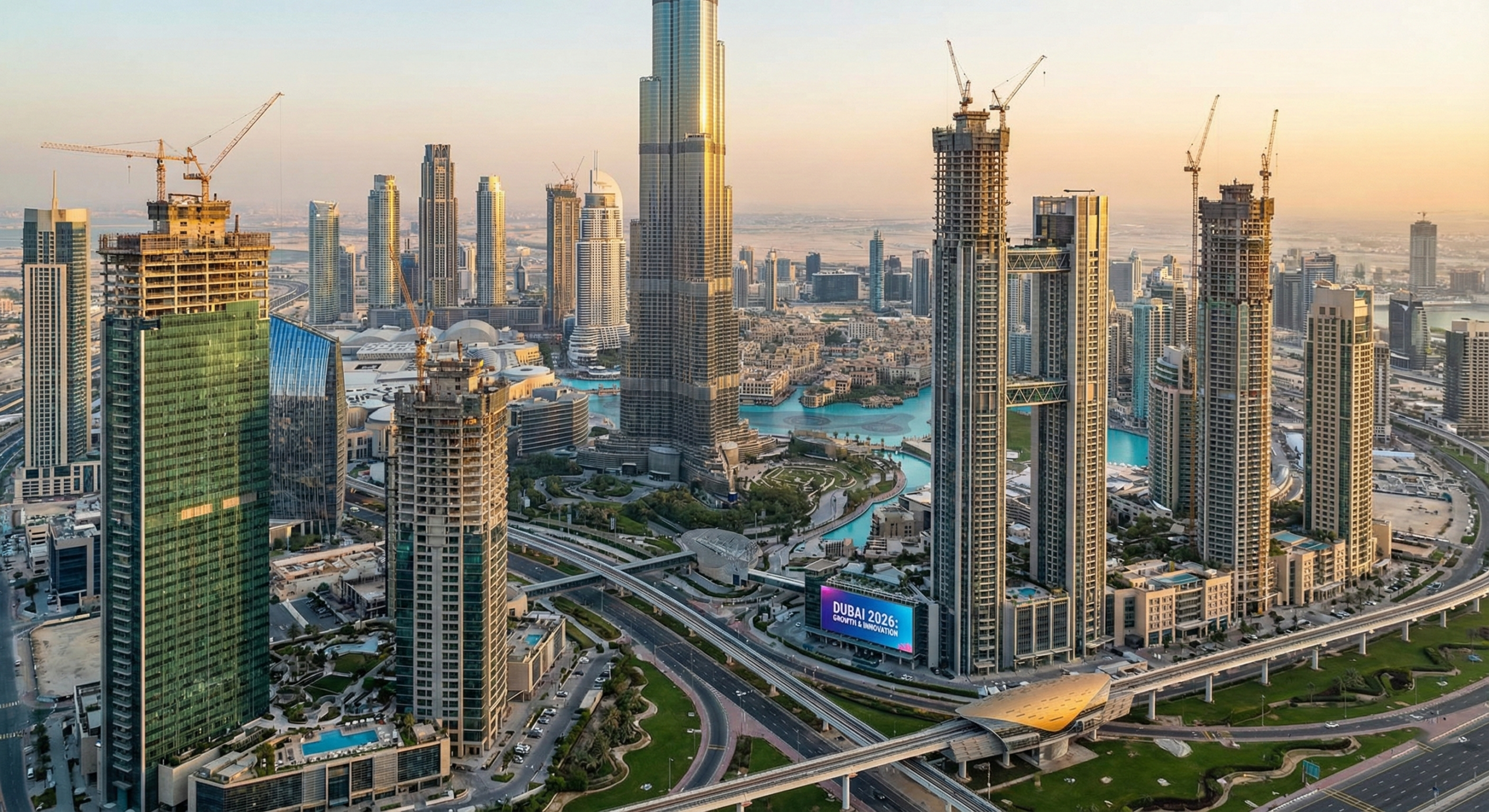
One of the major areas of focus is tighter oversight of developers and off-plan projects. Authorities are expected to reinforce requirements around project registration, escrow accounts, and construction milestones.
These measures aim to:
-
Protect buyers’ funds throughout the construction phase
-
Ensure developers meet delivery commitments
-
Reduce delays and project-related disputes
For investors, this means greater confidence when purchasing off-plan properties, especially in large master-planned communities and mixed-use developments.
Improved Protection for Property Owners and Tenants
The 2026 regulatory framework also places increased emphasis on balancing the rights of property owners and tenants. While Dubai has long maintained a regulated rental environment, new refinements are expected to further clarify responsibilities related to maintenance, service charges, and dispute resolution.
By standardizing processes and enhancing enforcement mechanisms, authorities aim to reduce conflicts and improve overall market stability — an important factor for long-term investors relying on consistent rental income.
Enhanced Compliance and Professional Standards
Another key aspect of the new regulations involves raising professional standards across the real estate sector. Brokers, property managers, and developers will be expected to adhere more strictly to compliance requirements, licensing rules, and ethical practices.
This shift reflects Dubai’s intention to:
-
Reduce misinformation and misleading practices
-
Improve the quality of advisory services
-
Ensure buyers and sellers receive accurate, verified information
For serious investors, a more regulated professional environment adds another layer of trust to the transaction process.
Impact on Investors: Stability Over Speculation
Rather than restricting growth, the new regulations are widely seen as supportive of Dubai’s long-term property vision. By discouraging speculative behavior and encouraging responsible investment, the framework aligns with the emirate’s goal of building a resilient, sustainable real estate market.
For investors, this means:
-
Reduced regulatory risk
-
More predictable investment conditions
-
Greater protection of capital over the long term
Dubai’s approach contrasts with many global cities that have introduced abrupt policy changes or restrictive ownership rules. Instead, the emirate continues to refine its market while maintaining openness to foreign ownership.
Why These Changes Matter Ahead of 2026
As Dubai prepares for continued population growth, infrastructure expansion, and economic diversification, a strong regulatory foundation becomes essential. The upcoming real estate regulations support this growth by ensuring that market expansion is matched with accountability and governance.
With demand driven by both end-users and international investors, regulatory clarity helps reinforce Dubai’s position as a global real estate hub — one where investors can plan with confidence beyond short-term cycles.
A Market Moving Toward Maturity
Dubai’s real estate journey has evolved from rapid growth to structured expansion. The regulatory updates expected by 2026 reflect this transition, signaling a market that prioritizes transparency, sustainability, and long-term value creation.
Conclusion
Dubai’s upcoming real estate regulations for 2026 represent a natural progression toward a more mature and globally competitive property market. With stronger oversight, clearer protections, and higher professional standards, the regulatory landscape is designed to enhance investor confidence while supporting sustainable growth.
For property owners and investors, understanding these changes early provides a valuable advantage in navigating Dubai’s evolving real estate environment.